The PDF That Gave It Away: How Document Metadata Helped Expose Insurance Fraud
An insurance fraud case involving falsified wage records illustrates why document authenticity, metadata analysis, and cross-checking matter more than ever.
Home > Insurtech

An insurance fraud case involving falsified wage records illustrates why document authenticity, metadata analysis, and cross-checking matter more than ever.

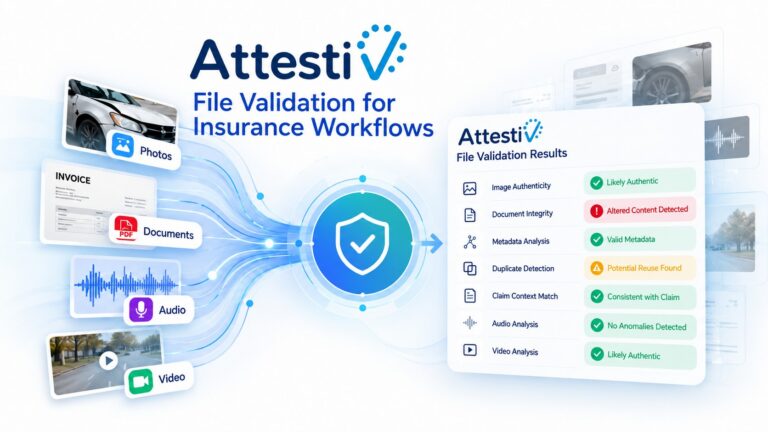
Can the submitted files behind automated insurance decisions be trusted?
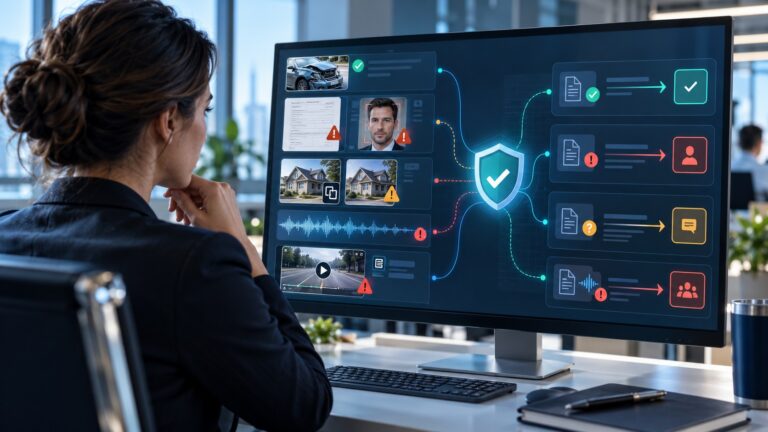
Photos, documents, audio, and video play a central role in many insurance workflows and the quality and trustworthiness of the submitted files becomes even more important.

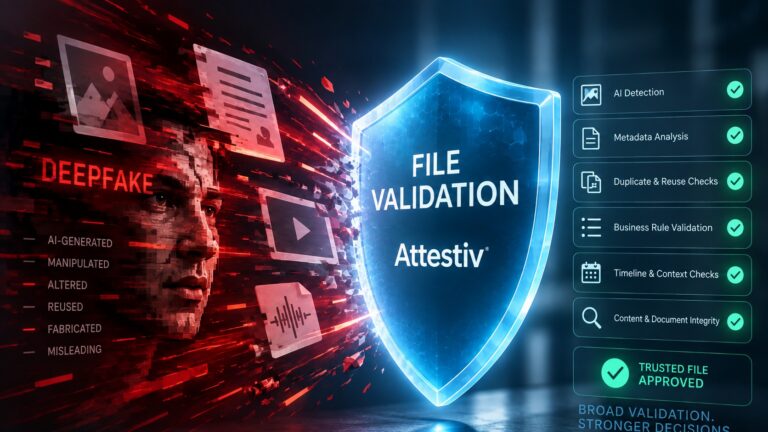
As deepfakes become harder to spot, insurers need a broader way to evaluate the files behind claims and underwriting decisions.

As AI-generated photos, documents, audio, and video become more realistic, insurers need broader validation workflows to reduce fraud, leakage, and manual review.

Photo and document validation can help insurers reduce claim leakage by identifying reused images, AI-generated or manipulated files, metadata inconsistencies, document errors, missing information, and mismatches against claim context before submitted files influence settlement decisions.

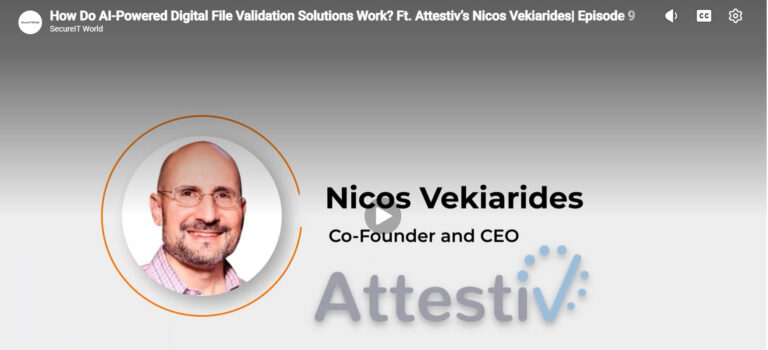
Attestiv CEO and Co-Founder Nicos Vekiarides recently joined SecureITWorld to discuss DeepScan, digital trust, and why file validation is becoming more important as generative AI advances.

AIToolAdvi evaluates two similar products with distinctly different use cases

The recent trend of deep fakes in images, claims evidence, fake ID, and fake financial docs can cause headaches for insurance brands.

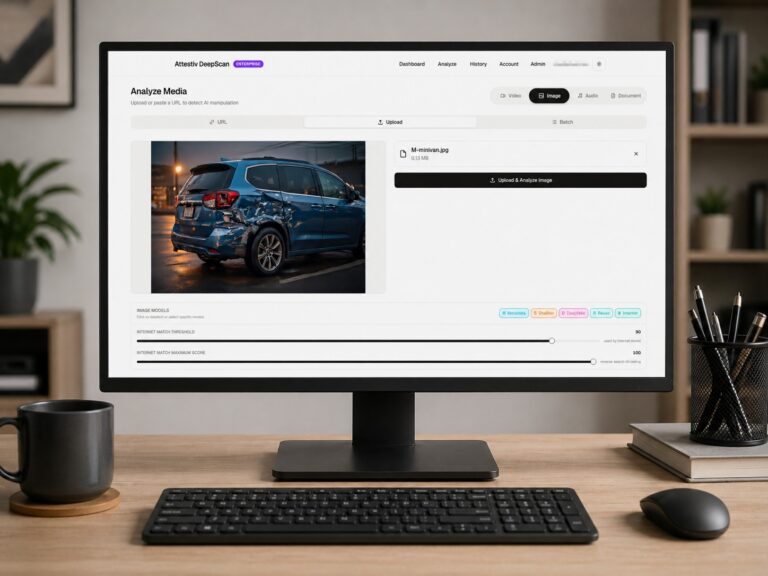
Attestiv DeepScan highlighted as one of Help Net Security’s infosec products of the week.

Secure IT World’s coverage of Attestiv’s launch of DeepScan.